
KNOW. BE. BECOME.
Meaningful, values-aligned careers for neurodivergent professionals.
Most people think a later-in-life autism or ADHD diagnosis is the finish line. It's not. It's the beginning of your becoming.
You've spent your life building a version of yourself capable enough and together enough that nobody looked closer, often at work most of all. Then the diagnosis arrived, and instead of answers, it handed you a user manual written in a language you're still learning, for a person you're not sure you recognise.
Very quickly, the big questions land on your career. Did I ever choose this work, or did I just survive it? What would work look like if I stopped masking? What do I actually want?
That's because a career question is also an identity question. It's not about coping, adjusting to a label or managing traits more effectively. It's about using your diagnosis as a catalyst to explore who you authentically are, what you value, and how you want to work and live, then building a career that fits.
I'm Sophie, an EMCC Accredited coaching psychology practitioner who just so happens to be autistic. I work with late-diagnosed autistic and AuDHD professionals, and other neurodivergent professionals: highly capable people who are ready to stop managing their working lives and start building them, with intention.
My approach is grounded in evidence-based psychology, existential coaching and my own lived experience, and it starts with three questions:
Who am I now?
Who do I want to become?
How do I build a career that gets me there?
That's where we begin.
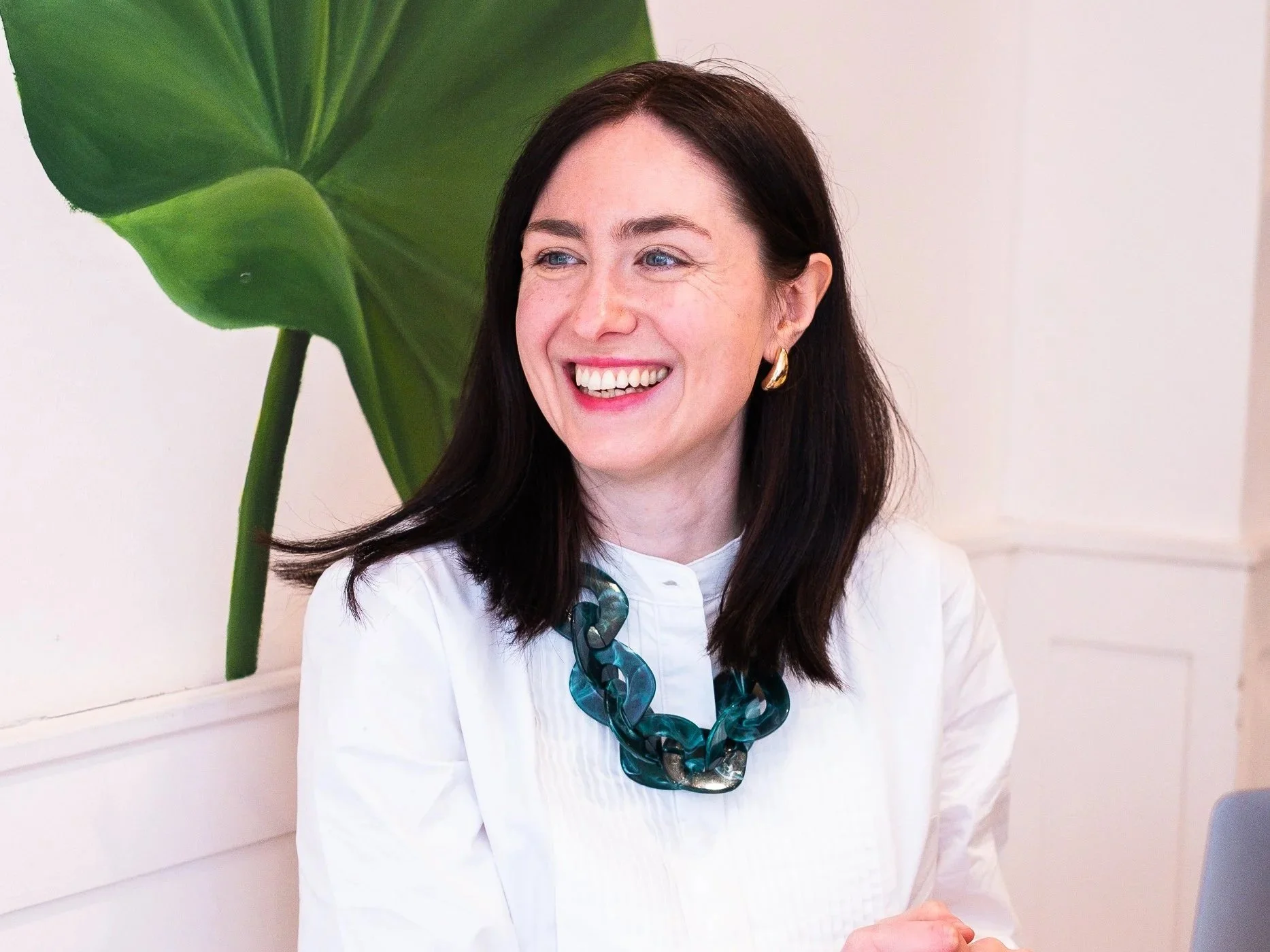
Why i Do What I do.
I've lived the gap between diagnosis and direction.
When I was diagnosed, I expected answers. I got more questions. The biggest one, what now?, had almost no support.
So I went looking. I left my life abroad and returned to study psychology, driven by a fascination with how people change, what motivates them, and why some of us belong easily while others work twice as hard to fit in. I'd been doing exactly that for years. My MSc research explored the experiences of late-diagnosed autistic women, and it confirmed what I'd lived: diagnosis brings understanding, but too many people are left to rebuild alone.
Now I bring both: the evidence and the lived experience. Someone who understands you, and knows how to help.
I've also seen how much talent gets lost in that gap. Brilliant, capable people stuck in careers chosen on autopilot, labelled "difficult" when what they needed was the right support.
For me, part of the answer was building my own business. I started in June 2024. Some months were brilliant. Some brought in £0. I learned that self-employment can be the best thing for a neurodivergent brain, or the fastest route to burnout. With the right support, including being part of a team of neurodivergent, I found my way. Now I help first-year founders find theirs.
Neurodivergent people deserve more than coping strategies. We deserve meaningful work that fits how we think, feel and live.
I've walked these paths. I've studied them. Now I'm here to make them clearer, kinder and less lonely.